



Despite the Lower Stocks Than Previous Years, the Canadian Potato Growers are ‘Optimistic’

Total Canadian Potato Storage Holdings (402,136 tons) as of July 1, 2023, are stated to be down 34.9% from the same period in 2022 (617,792 tons), and lower below the three-year average (538,776 tons), according to the most recent UPGC holding reports.
Fresh potato stockpiles in Canada are significantly lower overall (50,512 tons) than the previous year (137,760 tons) and lower than the three-year average (79,408 tons).
Processing stocks as of July 1 (351,064 tons) are overall below 2022 levels (479,640 tons) and below the 3-year average (458,360 tons).
With seed exports to all provinces still blocked for PEI, their higher level of seed remaining is not unexpected (560 tons).
The Canadian Potato Growers are ‘Optimistic’
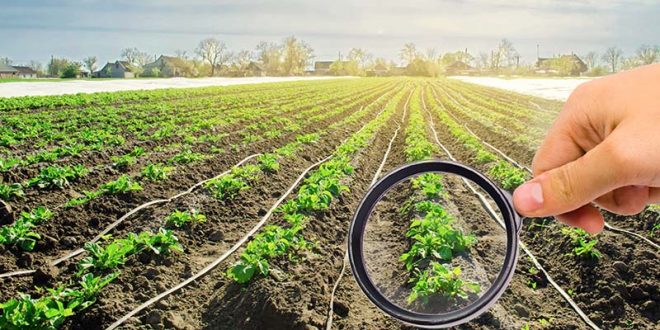
From emergence to touching between rows, the Canadian potato crop is at various phases. All across the country, potato farmers are hopeful for the favorable growth circumstances required to advance this crop through its early phases of development. From Manitoba to the west, it is currently hot and dry, and from Ontario to the east, it is wetter.
The weather on Prince Edward Island (PEI) has changed since planting, with the western end of the island receiving up to 50 mm of rain last weekend and occasional rains hitting the central area with 5 mm to 13 mm of rain, depending on the fields. At this moment, the eastern part of the island is the driest.
“Despite seeing over 200 mm of precipitation in June alone, growing conditions have generally been decent and the crop is in good shape, however, the heavy rains recently have delayed spraying in certain areas. The old crop is in good supply and moving well. Overall planted acreage on the island is expected to be up slightly, perhaps 526.09 hectares, mostly in processing and some fresh,” according to the latest UPGC crop report.
With some growers indicating that their completion date in 2023 will be earlier than their starting date last year, the New Brunswick crop began over two weeks earlier than “normal.” Although the weather has been wetter recently, it has not yet had an impact on the crop’s growth. Emergence has been good.
With lower stocks than in previous years at this time it may be tight through transition with fresh inventories done by the third week of July and new crop coming on a week or two later. Fresh quality depends on the lot as it nears the end of the storage season. Fresh prices have been steady with upward movement driven by increased count carton prices in the US. Planted acreage for New Brunswick is predicted to be flat for this season.
“It was a much better spring this year in Quebec with almost ideal conditions for planting and emergence. Recent heavy rainstorms had some growers concerned however current hot and sunny weather should help dry up some of the soaked fields. The old crop has tightened up in the last few weeks due to increased demand and should allow for perfect timing as the old crop transitions to the new one,” the UPGC analysts continued.
Loose-skinned spherical white potatoes are anticipated to start appearing in mid-July, followed by yellow potatoes at the end of July, and red potatoes the first or second week of August. Growers are generally pleased with the crop thus far. On the processing side, acres are predicted to be down in chip but up in frozen, and comparatively flat in both table and seed.
The state of Ontario saw an early spring with high temperatures that made for perfect planting conditions. Even though some of the planted potatoes were lightly injured by frost relatively early in May, they have now recovered. The crop appears to be doing extremely well overall. Although there were some severe thunderstorms last week, the weather has since turned hot and sunny. The province is still being affected by the smoke from the forest fires, which has reached Toronto. Stocks of the previous crop are below their three-year norms and will be low until the arrival of the next crop. This year’s crop is predicted to be flat.
The Manitoba province seemed to miss spring altogether, going from very cold temperatures to suddenly very warm and although planting started a bit later than normal the crop quickly caught up.
Overall acreage for Fresh potatoes may be up slightly and the trend of moving from reds to yellows will continue. Old-crop red potatoes had been long at the start of the year, but demand picked up substantially in the last two months and will clean up nicely before the new crop comes on.
Processing potatoes are also being impacted by the heat being experienced in Manitoba this year with crops struggling for moisture and even some burnt sprouts in mid-June. Water limitation continues to be an issue for the province and may challenge yield potential but more importantly, hampers expansion, keeping planted acreage fairly flat to last year. Old crop holdings are well below the 3-year average and potatoes will continue to be imported into the province as we move through transition to new crop.
The Saskatchewan Growers experienced a late, and wet, start to planting but have had excellent growing weather since and the crop has now caught up. Although they have not received much precipitation in the last month, similar to neighboring provinces, they are very well irrigated. The province is expected to show the biggest increase in planted acreage by percentage with some predicting up to 2000 more acres, mostly in fresh and seed, although the province is starting to see some interest for processing acres.
This year, planting in Alberta was finished on schedule, and healthy plants have emerged evenly. However, the province has experienced high heat and dryness, and forest fires have been raging there since May. Although producers have been busy staying ahead of the crop needs, Alberta is less dependent than other provinces on reservoirs to supply water for irrigation, so there should be enough water supply for the processing region. The province’s normally later-planted seed crop in the north is progressing well. Stocks should last well until the new crop is ready because the old crop as of June 1st was above average.
Last, but not least, the British Columbia had a good spring with great planting conditions. Growing conditions have been decent since with many fields now flowering and rows closing but it has been very dry with little to no rain in two months.
“The Fraser River, which feeds the crops, is normally available until early August however with low snow-pack this year there are concerns about a lack of fresh water in the river and supply may be lost in mid-July, impacting some of the fields that are only about 6” high as of early July. The first early Warba’s were on sale in the market in early June which was good timing as the old crop was pretty much gone at that point. Planted acreage in the province is expected to go up perhaps 80-200 hectares,” the UPGC analysts concluded.