

National Potato Council Weighs in on COVID-19 Damages

The head of the National Potato Council says it is hard to determine how much money the industry will need to get back on track in the wake of the coronavirus shutdowns.
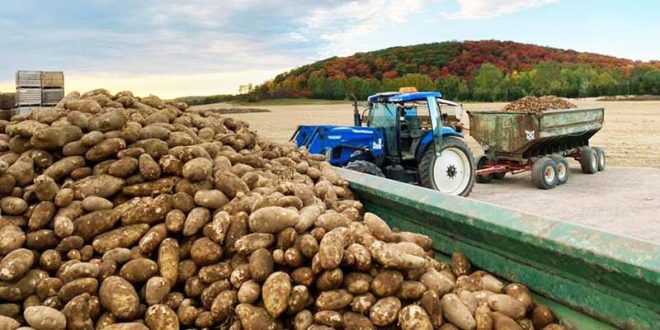
However, “what we have identified is that there is between USD750m and USD1.5bn of products that are clogged up in the potato pipeline right now,” Council CEO Kam Quarles said. That is a combination of 2019-grown potatoes originally destined for processing, as well as unsold potato products as a result of the foodservice shutdown.
According to capitalpress.com, Quarles said the supply of potatoes grown in 2019 for processing and stored “continues to build with every day that passes. It is a larger and larger oversupply.”
If USDA buys stored 2019 potatoes it “can mitigate the damage that is going to happen to the 2020 crop that is just being planted. Buying 2019 potatoes immediately and in substantial volume would give some clarity to growers and processors in regard to their needs for the 2020 crop,” he said.
It was clear USDA’s program rollout “would not have enough money to go around” to all commodities, Quarles said. The council called USDA’s USD19bn Coronavirus Food Assistance Program a “down payment” toward full recovery.
It calls for USD16bn in direct support based on losses tied to COVID-19 price and supply-chain impacts, and USD3bn to buy produce, dairy and meat products to go into pre-approved boxes for food banks and other nonprofits, USDA announced.
“Potato growers appreciate Secretary Perdue’s rapid action intended to stabilize family farms whose survival is threatened due to the mandated foodservice shutdown. The program is a down payment on those efforts that will require additional resources and flexibility to deliver the necessary relief for our great potato industry,” Quarles said in a news release.
Food purchases — in partnership with regional and local distributors affected by the closure of restaurants, hotels and other foodservice businesses — will start with about USD100m per month, each in fresh fruits and vegetables, dairy products and meat products categories.