Quality Challenges Endanger Average Potato Production in the NEPG Zone
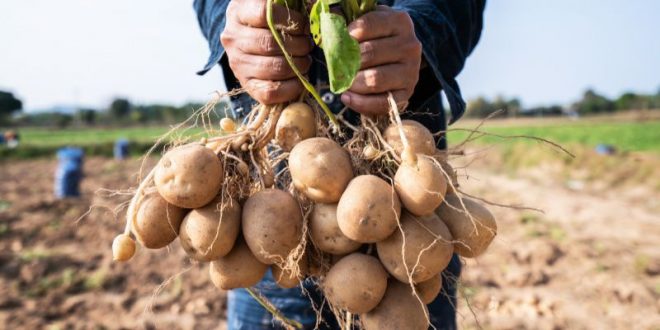
Despite the challenging weather, preliminary potato yield estimates indicate a recovery to multi-year averages. The NEPG predicts that growers will harvest approximately 23m tonnes of early and maincrop potatoes. This is 1.3m tonnes greater than in 2022 and the same as in 2021.
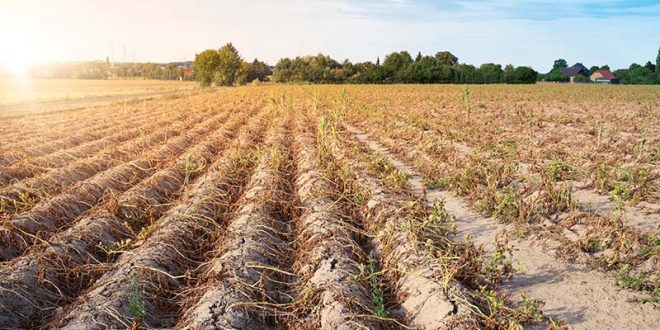
“Late blight (Phytophthora infestans) is going to have a major impact on the 2023 harvest with important attacks on tubers in some subregions,” according to a recent NEPG press release.
On a global scale average planting dates were three weeks later than usual (about 15-20th of May instead of 20-25th of April). The August weather resulted in a significant boost in yields, but it also maintained extremely high levels of late blight.
If crops are not allowed to grow until mid-October, late varieties like Markies and mid-late varieties like Fontane will not have all of their growing days. The net output will be impacted by lower tuber counts, physiological issues (empty heart, misshaped, rot), and most importantly, tuber blight! Additionally, processing yields will be decreased by mitigating underwater weights.
“Growers are strongly encouraged to check every single field they have and evaluate if they have problems of tuber blight. Assessing the impact of tuber blight is of utmost importance to decide on further steps to take regarding haulm destruction and storage planning. NEPG stresses the importance for the producers of communicating on this issue with their buyers. Weather in the coming weeks will either stabilize the problems (blight, hollow hearts, rots) or sharpen them,” the NEPG experts added.
When comparing the production in 2023 to that in 2021, processing requirements have significantly increased. In comparison to two years ago, the NEPG zone’s processors require at least an additional 2 million tonnes of potatoes.
“Following lower productions in Poland and southern Europe (due to smaller planted areas and bad weather conditions) export season has already started and competition between buyers from the industry and export will again be on the agenda! Globally in Europe, experts think that the demand for processed products will continue to grow by around 4 % every year!” the NEPG representatives summed up.