

Shipping Costs And Rain Delays Disrupt Cyprus Potato Export Window
Cyprus potato exporters are coming under pressure from a combination of higher shipping costs, delayed harvesting and ongoing water constraints, raising concerns over margins, programme continuity and product availability during a key sales period.
According to industry representative Andreas Karyos, quoted by Cyprus Mail, rising freight rates are eroding returns on exports and complicating shipments to established European destinations. He said the increase in transport costs is reducing the profitability of sales abroad at a time when Cypriot suppliers need to maintain reliable service to seasonal retail programmes.
“It is affecting [us] because the costs associated with shipping potatoes abroad have increased, resulting in higher costs and lower potential profits,” Karyos said.
The disruption is already affecting deliveries to markets including Austria, Belgium and Germany, where Cypriot potatoes are included in seasonal retail programmes. For exporters, the risk is not limited to short-term delays. Failure to supply within agreed windows could weaken future listings and reduce visibility in those markets during the April-to-June period, one of the most important export windows for the sector.
“If we cannot supply them, they may remove them from these programs,” Karyos said.
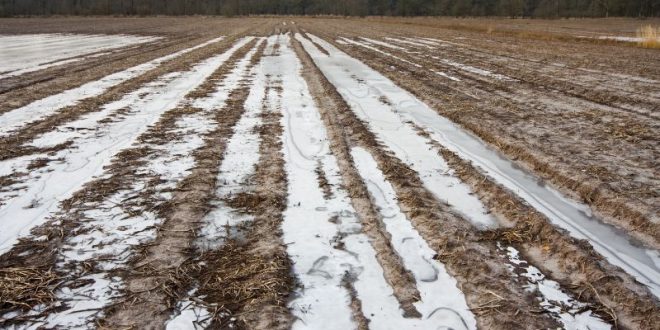
Production is also being affected by weather-related delays. Recent rainfall has slowed the harvesting of early crops, particularly smaller potatoes destined for both domestic sales and export channels. While Karyos said it would be wrong to complain about the rainfall itself, given the island’s wider water shortages, he noted that wet field conditions are preventing growers from lifting market-ready volumes.
“It would be wrong to complain about the fact that we have had quite a bit of rain recently throughout Cyprus,” he said, “the only problem caused by the rainfall is that there are many small potatoes ready for harvesting, which are needed for both the domestic and international markets, yet they cannot be harvested.”
Beyond rainfall, growers in areas including Ormidia, Xylofagou, Liopetri and Sotira have also had to contend with wind and sea salt effects, adding another layer of production pressure. Further rain expected until Easter may improve reservoir levels, but the broader irrigation situation remains fragile after two years of severe constraints.
“Unfortunately, for the past two years, we haven’t received a single drop of water from the reservoirs due to the serious water supply problem,” Karyos said.
That supply issue has already had structural consequences for the sector. Production area was reduced after low water availability in the previous season, while growers have continued to face rising costs. In that context, harvest delays could tighten supply further and support firmer market prices.
“The delay in harvesting the potatoes may lead to an increase in their price,” Karyos said.
The industry is also waiting for talks with the government on possible support measures tied to cost inflation and reduced production. Karyos said those discussions had been paused because of the foot and mouth disease situation and are expected to resume.
For Cyprus’ potato sector, the immediate challenge is operational rather than agronomic alone: protecting export commitments, managing higher logistics costs and navigating a harvest season in which both weather and water availability remain significant constraints.