

Crop Protection Practices Should Include Disinfection Procedures
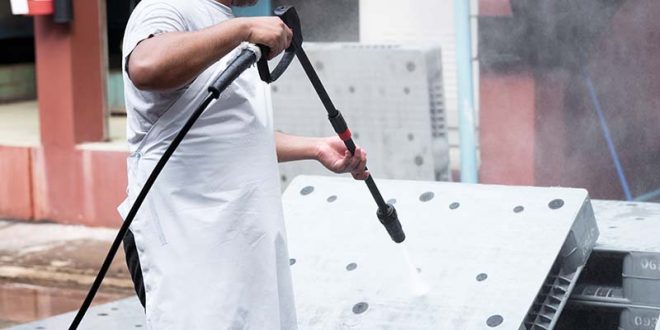
Before placing a fresh batch of potatoes into storages, these facilities and all the spud handling equipment should be cleaned using a range of disinfectants to create a good storage environment.
It is an all-encompassing phytosanitary measure to lessen insect and disease problems in the facilities used to store and handle potatoes. It is crucial to implement strong routine hygiene procedures and measures for employees and machine operators.
“Some pathogens, such as the silver scurf pathogen, may survive from one season to the next,” Colorado State University researchers wrote in one of their published papers.
Many of these pests (fungi, bacteria, insects, nematodes, and weed seeds) can spread from tuber to tuber or field to field on equipment or in storage and cause problems in future crops if not eliminated or at least minimized.
According to Nora Olsen and Phil Nolte, experts from the University of Idaho, some disease problems, like bacterial ring rot (caused by Clavibacter michiganese), can be a very serious problem for seed potato producers, even when it occurs at very low levels. Nematodes are easily transferred from one field to another in soil adhering to equipment that is not properly cleaned between fields.
Cleaning the Storage and Surroundings
A dirty storage structure cannot be disinfected. Since direct contact with pathogens is necessary for sanitation to be effective, the surface should be devoid of any crevices, pits, or cracks that could house microorganisms.
“Efficient cleaning starts at the top of equipment and working down. Remove plant and soil residue from the storage and equipment. Pathogens thrive on organic debris. Cleaning the floor of storages and warehouses with an industrial vacuum cleaner is the best option because sweeping can distribute pathogen spores along with dust. Remove potato debris and other trash from within and around storage facilities from the previous crop,” Colorado State University (CSU) experts advise.
Early spring or early fall wind gusts could blow inoculum into the packing or storage facilities. Potato waste can be buried, composted, burned, chopped, or frozen. It is advised to remove 1 to 2 inches of soil from the storage’s dirt floor and replace it with soil from a wholesome non-potato growing area. Ventilation fan blades should be free of all debris, dirt, and sprout inhibitors.
You can read the rest of this article in your complimentary e-copy of Issue 4 of Potato Business Digital 2022 magazine, which you can access by clicking here.