


Genomic Study Reveals Tomato Lineage in Potato Origins
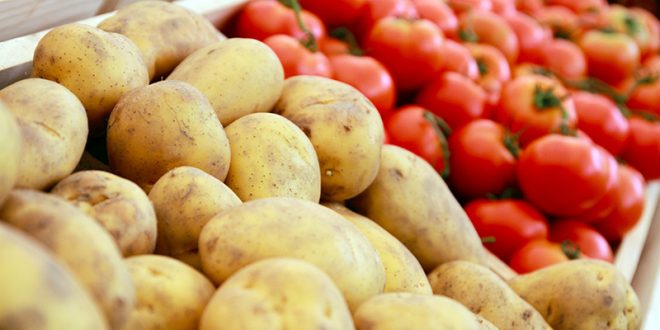
A groundbreaking genomic study published in Cell has revealed that modern potatoes owe their evolutionary origin to an ancient hybridization event between wild tomatoes and non-tuberous potato-like plants from South America.
The research, which analyzed 450 cultivated potato genomes and 56 wild species, found that today’s potatoes carry a nearly balanced genetic legacy—approximately 60% from a non-tuberous group known as Etuberosum and 40% from tomato ancestors. These findings help resolve a long-standing evolutionary puzzle about the tuber’s origin and highlight the underappreciated role of hybridization in shaping agricultural crops.
“This study represents the most comprehensive collection of wild potato genomic data ever analysed,” said lead author Zhiyang Zhang of the Agricultural Genomics Institute in Shenzhen. Co-author Loren Rieseberg, professor at the University of British Columbia, called the findings a “profound shift” in evolutionary thinking, noting that hybridization events—once thought rare—are proving fundamental in the emergence of new species.
Potato plants have long been known to genetically resemble certain Chilean Etuberosum species, but these do not form tubers. Conversely, genomic similarities to tomatoes hinted at something more complex. “This is known as discordance, and indicates something interesting is going on,” said Sandra Knapp, botanist at the Natural History Museum in London.
The decisive evidence was that all cultivated and wild potatoes examined shared the same ratio of tomato and Etuberosum genes—indicating a single, ancient hybridization event around nine million years ago. This timeline coincides with the rapid uplift of the Andes mountains, which created new environments where underground tuber storage offered a selective advantage.
Key genes from both ancestors were critical: the tomato-contributed SP6A gene, a signal for tuber formation, needed to be paired with the IT1 gene from Etuberosum, which promotes underground stem growth, to enable the development of tubers.
One of the potato’s most important features—its ability to reproduce asexually via sprouting—further contributed to its geographic spread and eventual domestication.
The implications for potato breeding could be substantial. Co-author Sanwen Huang, also of the Agricultural Genomics Institute, said his lab is now pursuing a next-generation hybrid potato that can reproduce by seed to accelerate commercial breeding. According to Huang, using the tomato as a “chassis” for synthetic biology may offer new opportunities for innovation.
The discovery underscores the complex and dynamic nature of crop evolution—and opens new frontiers in using genomic insight to drive the next leap in potato breeding and biotechnology.