

Purple Potatoes May Mitigate the Effects of Human Exposure to Harmful Industrial Compounds
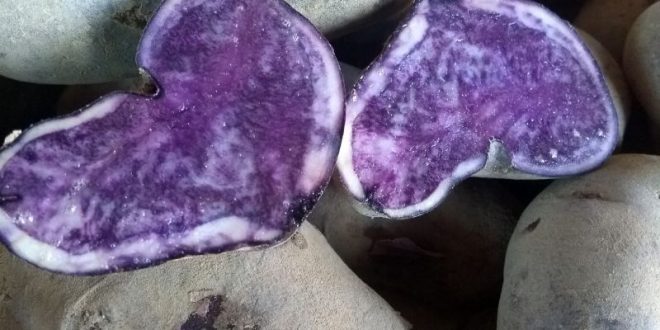
According to a recent study headed by McGill University researchers, purple-fleshed Russian Blue potatoes defended against disruption of short-chain fatty acid synthesis and gut flora brought on by harmful PCB chemicals in a simulated human digestion model.
“To our knowledge, this is the first study investigating the impact of PCBs on human-associated gut microbiota profile and production of short-chain fatty acids (SCFAs) in a batch culture fermentation system. This is also the first study assessing the protective effects of anthocyanin-rich potato meals on PCB-induced disruption of gut microbiota and the production of SCFAs,” the four researchers behind the study said.
Industrial compounds known as polychlorinated biphenyls (PCBs) have been linked to a wide range of harmful health effects. Humans are most exposed to PCB 126 and PCB 153 through the food chain. PCBs are still detectable at quantifiable amounts in the environment as well as in human tissues and plasma, despite being prohibited since 1979 due to their environmental and human toxicity.
“Emerging studies have suggested that PCB exposure leads to lower gut microbial diversity although their effects on microbial production of health-promoting short-chain fatty acids (SCFAs) has been scarcely studied,” the scientists explained, adding that exposure has been shown to increase the risk of metabolic disorders including obesity, type II diabetes, and liver diseases.
They, therefore, set out to determine how PCB 126 and PCB 153 negatively impact the composition of the human gut microbiota and the production of SCFA and whether the purple-fleshed Russian Blue potato could protect against these negative effects.
“Blue potatoes are rich in anthocyanins (ACNs), which is a class of polyphenols that promote the growth of beneficial intestinal bacteria such as Bifidobacterium and Lactobacillus and increase the generation of SCFAs,” they noted.
Study Details
The research was done using an in vitro model of simulated gut digestion that involved upper gastrointestinal digestion followed by human fecal bacteria metabolism. By simultaneously operating five fermentation reactors, the computer-controlled batch culture fermentation system mimics the oral to intestinal conditions.
For 12 hours, ground freeze-dried potato meals (11.03 g) with and without PCB 126 (0.5 mM) and PCB 153 (0.5 mM) were digested. Following that, fecal digests were gathered for investigation of the SCFA and gut microbial profiles.
“Human fecal matter exposed to PCB 126 and PCB 153 led to decreased abundance and altered gut microbiota profiles as well as lowered SCFA and acetate levels. Importantly, this study showed that prebiotic ACN-rich potatoes counteract PCB-mediated disruptions in human gut microbiota profiles and SCFA production,” the study concluded.
Akkermansia, Eggerthella, and Bifidobacterium had higher relative abundances after PCB treatment, whereas Veillonella, Streptococcus, and Holdemanella had lower relative abundances. The study said that “an increased abundance of these species may not always benefit the host” despite the presumable health-promoting qualities of Akkermansia and Bifidobacterium. (Overgrowth of Akkermansia has been associated with a thinner mucin layer and risk of inflammation; increased abundance of Bifidobacterium with irritable bowel disease; and too much Eggerthella with an increased risk of colonic infection and colon cancer.)
ACN digests appeared to balance out the changed abundances of Akkermansia and Bifidobacterium brought on by PCB treatment, according to study results.
Future studies should examine whether individual differences in the makeup of the gut microbiota affect the health advantages of anthocyanin-rich potato meals, particularly their capacity to protect against PCB-induced dysbiosis of the gut microbiota.
The Rosell Institute for Microbiome and Probiotics contributed to the study, which was funded by a grant from the Natural Sciences and Engineering Research Council of Canada and was published in the journal Nutrients.