

University Of Idaho Tour Introduces Graduate Students To Careers Across The Potato Supply Chain
The University of Idaho has completed its latest Idaho Potato Graduate Industry Program tour, giving graduate students a comprehensive look at the state’s potato sector as industry leaders work to attract the next generation of researchers, agronomists and agricultural professionals.
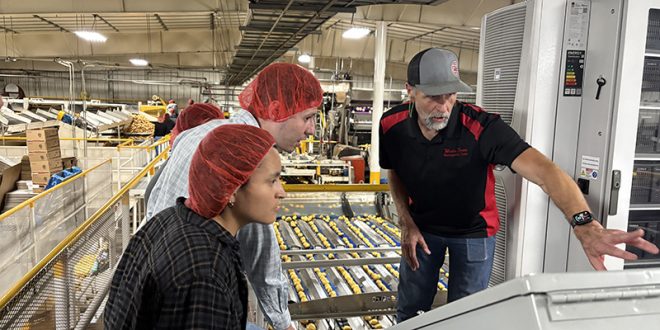
The four-day programme, held from May 18-21, brought together ten graduate students who explored the potato value chain from seed production and crop research through storage, fresh packing, processing and marketing. The initiative is supported by the Idaho Potato Graduate Industry Program Endowment, established in 2014 by potato growers Doug Gross and Jeff Harper to strengthen connections between the state’s potato industry and the University of Idaho’s College of Agricultural and Life Sciences.
The tour is organised every two years with the goal of exposing graduate students to the breadth of career opportunities available across Idaho’s potato industry. Participants visited a range of organisations representing different parts of the sector, including the Idaho Potato Commission, Simplot Plant Sciences, Lamb Weston, Agri-Stor, Wada Farms, Spudnik Equipment and several research and Extension facilities operated by the university.
Students were introduced to topics ranging from potato production and seed certification to biotechnology, storage management, equipment manufacturing and food processing. The programme also included field visits where participants observed potato crop development and gained insight into the technical challenges faced by growers and processors.
Doug Gross, one of the programme’s founders, said the initiative was designed to ensure a steady flow of talent into the industry.
“The whole idea was to expose young people to the industry because we must have a replenishment of workers,” Gross said. “Most college kids or graduate students don’t get the opportunity to get out into the businesses and see what’s really going on, what our concerns are as farmers and what needs to be worked on.”
For many participants, the tour provided exposure to commercial operations and industry segments beyond their academic specialisations.
“It’s an amazing opportunity for learning the whole process from the marketing part, through food processing and the whole production process — it’s just amazing and highly technical,” said Adison Reyes, a doctoral student working in plant virology research at the university.
The final day of the programme focused on Idaho’s seed potato sector, including visits to facilities involved in producing disease-free seed potatoes and maintaining the state’s seed certification system. Organisers said these experiences help students understand the role that research, quality assurance and industry collaboration play in supporting potato production.
According to Gustavo Teixeira, potato postharvest physiologist at the University of Idaho, direct interaction with industry professionals remains one of the most valuable aspects of the programme.
“The tour is an in-person, face-to-face experience,” Teixeira said. “They can talk to growers, they can talk to processors, and they learn a lot during the process. It’s also a good venue for the students to get in contact with the industry so they may be hired in the future.”