

Middle East Conflict Sends Shockwaves Through Global Potato Supply Chains
The escalating conflict in the Middle East is beginning to ripple through global agricultural supply chains, raising concerns among potato growers, processors, and exporters about fertilizer availability, energy costs, and trade disruptions.
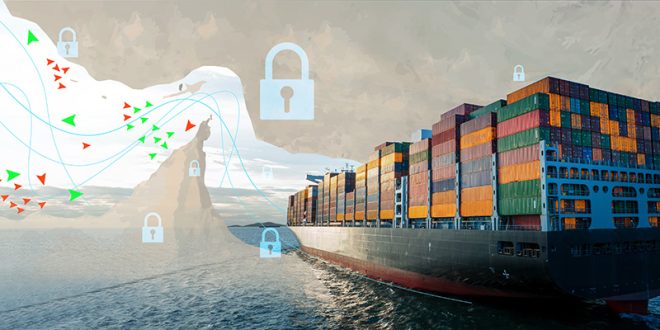
At the centre of the disruption is the Strait of Hormuz, one of the world’s most critical maritime corridors for energy and fertilizer shipments. According to UN Trade and Development, the narrow waterway handles a significant share of global seaborne oil, liquefied natural gas (LNG), and fertilizer traffic. Any disruption to this route immediately reverberates through global input markets that agriculture depends on.
For potato production systems in particular, these shocks arrive at a sensitive moment in the cropping calendar, just as many growers are preparing for spring planting.
Fertilizer Supply Under Pressure
Fertilizer markets have reacted quickly to the geopolitical developments. Several key nutrients used in crop production—including urea, ammonia, phosphates and sulfur—are exported in large volumes from Gulf countries through the Strait of Hormuz.
Industry data indicate the scale of the exposure. Nearly half of global traded urea originates in the Gulf region, while about a quarter of globally traded ammonia is also sourced from the region. According to maritime intelligence estimates, Gulf nations account for roughly 20% of global traded volumes of ammonia, phosphates and sulfur.
The fertilizer market has already begun to tighten. Prices have risen between 10% and 30% since the conflict escalated, while some market reports indicate increases of more than 30% in certain fertilizer categories ahead of the North American spring planting season.
Svein Tore Holsether, chief executive of fertilizer producer Yara International, warned that the consequences could extend well beyond the fertilizer industry.
“This is a regional conflict with global implications and it goes straight into the food system,” he said.
Holsether added that prolonged disruption could significantly affect agricultural output. “Given the importance of fertiliser, this is something that can seriously impact crop yields if the war continues for an extended period.”
For potato growers, the implications are particularly significant because the crop requires relatively high nutrient inputs to achieve commercial yields.
Research from Michigan State University highlights that nitrogen management plays a central role in potato production, influencing tuber quality, storability and overall production costs. Meanwhile, agronomic guidance from University of Idaho estimates that producing a 450 cwt./acre Russet Burbank crop can require approximately 220 pounds of nitrogen, 30 pounds of phosphorus and 300 pounds of potassium per acre.
If fertilizer availability tightens or prices rise sharply, growers may adjust nutrient application rates or crop choices.
Joseph Glauber, senior research fellow at the International Food Policy Research Institute, noted that higher input costs can influence planting decisions.
“Higher prices will affect crop choice,” he said. “Farmers may go with the crop that needs less fertilizer rather than the one that needs nitrogen-intensive fertilizer, to avoid higher input costs.”
Energy Costs Add A Second Layer Of Pressure
The fertilizer situation is compounded by rising energy prices, another direct consequence of instability in the Gulf.
Natural gas is a critical feedstock in nitrogen fertilizer production, meaning spikes in gas prices feed directly into fertilizer manufacturing costs. At the same time, higher oil and diesel prices increase operational expenses across agriculture.
Energy costs affect virtually every stage of potato production. Field machinery, irrigation pumps, transport vehicles, and storage facilities all rely heavily on fuel or electricity.
Post-harvest storage is particularly energy-intensive. Potatoes are frequently stored for extended periods under controlled conditions, requiring continuous ventilation, refrigeration, humidity management and monitoring systems. Any increase in electricity prices can therefore raise the cost of maintaining stored crops.
Commodity analysts warn that a sustained rise in energy prices could therefore amplify the fertilizer shock, creating a “double impact” for farmers.
Shipping Disruptions Hit Export Flows
The conflict is also beginning to disrupt agricultural trade routes.
Exporters in Pakistan report that shipping lines have suspended services to several Middle Eastern ports following security concerns in the region. Major carriers including Maersk, CMA CGM, Wan Hai Lines and Hapag-Lloyd have introduced emergency conflict surcharges on cargo destined for Gulf ports.
Additional freight charges are reported at about USD 2,000 per standard container and up to USD 4,000 for refrigerated or specialised containers, significantly increasing export costs for perishable goods.
Industry representatives say the disruption has slowed or halted shipments of fresh produce—including potatoes—to Middle Eastern markets that normally absorb a large share of regional exports.
At the same time, regional land trade routes have also been affected. The closure of the Pakistan-Afghanistan trade corridor has forced exporters to seek alternative routes through Iran to reach Central Asian markets, increasing transit times and logistics costs.
For potato exporters dealing with a highly perishable product, delays in shipping and higher freight costs can quickly undermine trade viability.
Potential Impact On Global Potato Markets
If the current disruptions persist, analysts expect several knock-on effects across the potato sector.
Input costs may continue to rise as fertilizer markets tighten and energy prices remain elevated. In response, growers could adjust fertilizer application rates or shift acreage toward crops with lower nutrient requirements.
At the same time, logistics disruptions could affect export-oriented supply chains, particularly in regions that rely heavily on Middle Eastern markets or Gulf shipping routes.
The global nature of fertilizer trade means even regions geographically distant from the conflict could feel the impact.
As the The Fertilizer Institute notes, fertilizer markets are “highly integrated,” meaning supply disruptions in one region can quickly influence availability and pricing across international markets.
The ultimate impact will depend largely on how long shipping disruptions in the Strait of Hormuz continue.
“If the strait of Hormuz was closed for a year it would be catastrophic,” Holsether warned. “We are talking nutrition for plants, and if they don’t get the nutrition, then you will see significant reductions in the farm yield.”
For the potato industry, which depends on stable fertilizer supply, predictable energy costs and efficient transport networks, the unfolding situation illustrates how geopolitical events far from the farm can rapidly reshape the economics of crop production.