Ahead of Schedule in Operational Water-use Efficiency for PepsiCo’s 2025 Global Goal

Two years ahead of schedule, PepsiCo recently said that it has achieved its global objective for 2025, which was to enhance operational water-use efficiency in high-risk areas by 25%.
Furthermore, PepsiCo was ranked in the top 0.5% of all 21,000 firms that CDP evaluated for its leadership in corporate transparency and performance on water security, earning the corporation recognition from the global environmental non-profit on the 2023 CDP A List.
The company’s strategy of end-to-end transformation, pep+ (PepsiCo Positive), calls on PepsiCo to pursue further water stewardship goals, one of which is to become net water positive by 2030.
“Water is a fundamental human right and yet water insecurity remains a significant global challenge with billions of people lacking access to safe water. That’s why good water stewardship is so important and has long been a priority for PepsiCo and the communities we serve. Our vision is that wherever in the world we operate, water resources will be in a better state than before we arrived. And while we’re proud to have achieved this goal in high water-risk areas two years early, we will continue our unyielding focus on meeting our 2030 ambitions,” Jim Andrew, Chief Sustainability Officer, PepsiCo, said.
PepsiCo saved billions of liters of water through several initiatives that contributed to reaching this goal. Crucial to these efforts were innovative technologies and shared best practices that were scaled globally through programs such as PepsiCo’s in-house Resource Conservation Program and teams.
One of the examples is the implementation of a membrane bioreactor technology at 21 manufacturing sites globally, including 14 in high water-risk areas, to purify process water to drinking-level standards for reuse in operations, allowing a site to reduce its freshwater demand by an average of 70%.
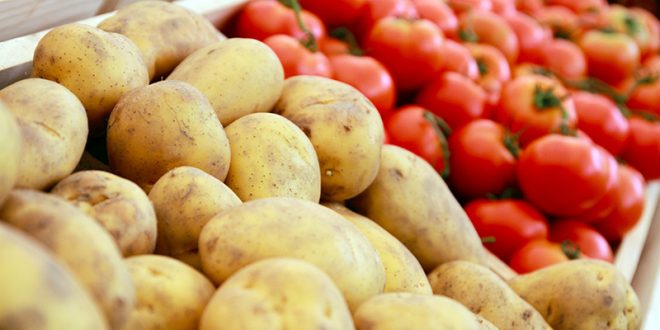
“Taking the water that’s naturally found in potatoes and using it to help run food manufacturing facilities. Implemented at sites in India, Mexico, Poland, and Thailand, this innovative technology developed by PepsiCo Research & Development teams captures and treats vapor that is released by potatoes when they are cooked for products such as Lay’s and converts it to drinkable water that is used to help run manufacturing facilities. This process can save a single site up to 60m liters of water per year,” according to the press release.