

Temperature Drift, Data Integrity, And Audit Risk In Potato Processing
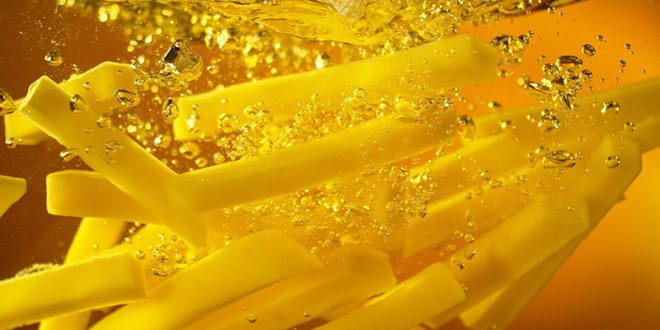
Temperature defines whether a potato processing line remains within validated safety limits, meets regulatory requirements on process contaminants, and maintains product stability through distribution.
The operational challenge is not maintaining nominal setpoints, but controlling thermal conditions across variable loads, equipment interactions, and product heterogeneity while generating verifiable data for audit and compliance.
Frying Systems: Controlling Thermal Exposure Under Load Variability
In frying, temperature is both a process parameter and a compliance constraint under Commission Regulation (EU) 2017/2158 on acrylamide mitigation. The technical challenge is maintaining stable thermal exposure despite fluctuations in product load, oil condition, and line speed.
Industrial fryer design has evolved toward multi-zone architectures to address this. Heat and Control deploys continuous fryers with multiple oil circulation zones, where oil is pumped between fryer, heat exchanger, and filtration systems. This configuration allows temperature to be controlled dynamically across different sections of the fryer rather than relying on a single uniform oil bath. The practical implication is that processors can distribute thermal input more precisely, reducing peak temperatures while maintaining required dehydration and texture development.
Oil management is directly linked to thermal stability. Heat and Control integrates continuous filtration systems that remove fines during frying. Accumulated fines accelerate oil degradation, which alters heat transfer characteristics and introduces variability in product temperature exposure. By maintaining oil condition, processors reduce temperature drift and improve repeatability of thermal profiles—critical for maintaining validated process limits.
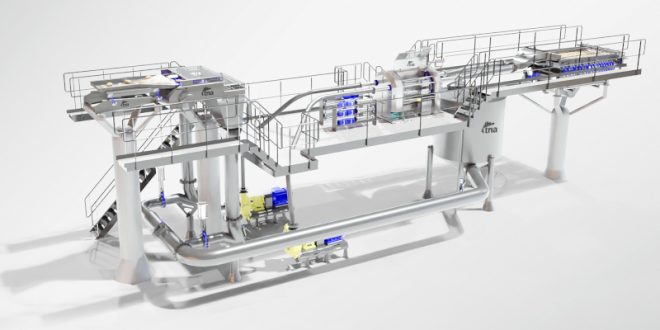
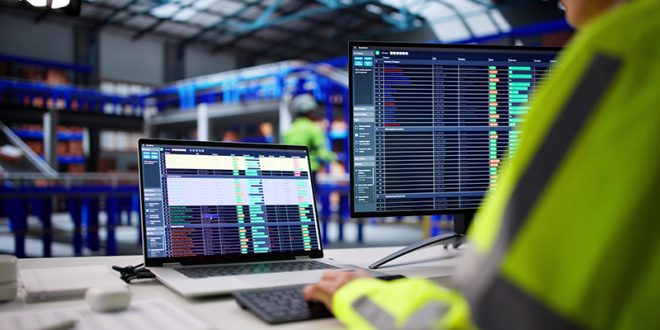
TNA Solutions approaches the same constraint through integrated control systems and oil-flow engineering. Its frying systems combine programmable logic controller (PLC) architectures with temperature sensors to regulate frying conditions in real time. In potato chip applications, the company’s multi-flow oil injection and opti-flow technology manage both oil distribution and product movement through the fryer. This ensures that product pieces experience consistent thermal conditions, even at high throughput.
The operational effect is reduced sensitivity to load variation. As product feed fluctuates, the system adjusts process parameters to maintain stable frying temperatures. This reduces oscillation in thermal exposure, which would otherwise translate into variability in color, moisture, and contaminant formation.
Blanching And Upstream Thermal Conditioning
While not regulated as a critical control point in itself, blanching determines the chemical baseline entering the fryer. Temperature uniformity at this stage affects reducing sugar levels, which in turn influence acrylamide formation during frying.
The constraint is uniformity across all product pieces. Variability in blanching temperature or residence time leads to heterogeneous sugar reduction, which cannot be corrected downstream. Processors therefore treat blanching as a controlled thermal conditioning step, with validated temperature and time parameters linked to final product compliance outcomes.
In practice, this requires controlled water temperature, stable flow conditions, and consistent residence time. Deviations at this stage propagate through the process, increasing the burden on downstream temperature control and raising the risk of non-compliant product.
You can read the rest of this article in your complimentary e-copy of Issue #1 of Potato Business Digital magazine, which you can access by clicking here.