

High Potato Contract Prices Have a Direct Impact on the Hectarage
Various issues will arise in the NEPG (EU-04) potato-producing nations in the future months. Given the current season, the issue of how the market will evolve next inevitably arises.
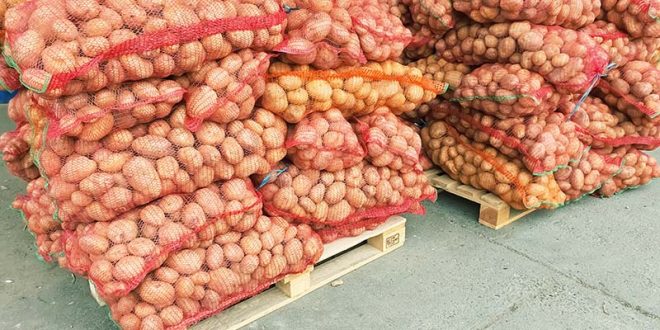
“We hear from various countries that free stocks are limited. In the Netherlands for example, VTA’s latest inventory shows that the free potato stock is 13% lower than last season and no less than 20% lower than the five-year average. The same sounds come from other NEPG countries. With good demand from the industry, the mood remains positive,” the latest NEPG report reveals.
The issue for the coming season is already how the hectarage within the NEPG countries will evolve.
“Normally, the sharp increase in contract prices would have a direct impact on the size of the potato area. The fickle grain market, where prices have been somewhat tempered in recent months, also plays a role in this,” according to NEPG’s experts.
Under these conditions, a few percent increase in the potato area (due to a past rise in contract values) appears to be the most probable possibility. Due to a shortage of (new) potato land, the new CAP, the greening agreements related to the Green Deal that must be met, and increased land rent costs, there does not appear to be much space for structural growth in the Netherlands and Belgium.
Shift of Hectareage
In the Netherlands, expansion must mainly come at the cost of the starch or seed potato sector. Growers in typical clay growing regions appear to favor the greatest contracted tonnage feasible, but not in an obvious expansion. There are possibilities in the north of Germany within the NEPG zone (EU-4) due to a change from the table and grain potatoes to chipping (french fries) potatoes.
“The disadvantage in this region remains the distance to the epicenter of the processing capacity, which is located in the south of the Netherlands and Belgium. In addition, the competition must be entered into with other crops that have performed well in the past year,” the NEPG experts added.
The transition from seed and table potatoes to chipping types will have to account for the hectarage increase in France as well. Furthermore, due to a dearth of irrigation choices, not all regions in France and Germany are ideal for extensive potato farming. New laws in Belgium, whether related to nitrogen use or potato growing prohibition on thousands of hectares of land in zones with high erosion risks, could decrease potato area in the future years.
Concerns Regarding Seed Production and Availability in the Spring of 2024
The NEPG zone (as well as other seed-producing nations such as Denmark and Scotland) could lose at least 5.000 ha (and possibly more) of seed output. This decrease is primarily due to a shift from seed production to more area for processing varieties as a result of poor revenue in the seed sector, as well as new limitations imposed by harsher pesticide legislation. Growers are worried about the supply of seed and the danger of higher costs. Processors require more potato acreage and output, but farmers must provide enough seed to support the business.
Drought and Low Water Reserves are Still Factors
At the same time, water availability is a major concern, particularly in the NEPG zone’s southern areas. Drought is becoming an increasing worry. The effects of last summer’s severe drought are still having an impact on water supplies. There are significant regional and country variations, but moisture stocks remain low (despite some rainfall in the last two weeks), particularly in (potato) areas further south of our zone.
“The industry reports that the need for raw materials has already been largely met. If the hectarage increases and the harvest is above average, this could have major consequences for the free market. Due to the high coverage ratio of the industry, a scenario is conceivable that there will be little buying interest and or market forces for the free potatoes,” the report concludes.